 Skip to content
Table of Contents
Categories

Rambo
1. Introduction to Polyester Composite Strapping
1.1 Overview of Polyester Composite Strapping
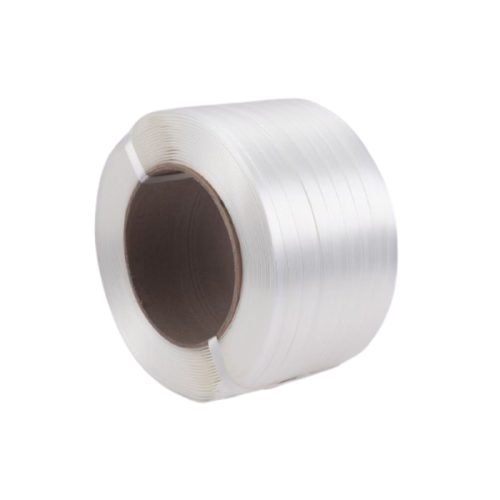
Polyester composite strapping is the unsung hero in the world of load securing, engineered from woven high-tenacity polyester fibers and coated with a protective polymer layer. This fusion delivers a lightweight yet ironclad grip that can rival the toughness of steel without the drawbacks. It’s a go-to choice for businesses that need strength without overcomplicating logistics.
1.2 Role in Modern Packaging Solutions
In today’s packaging landscape, where speed, safety, and cost control are the name of the game, polyester composite strapping fills the gap between economy and performance. It provides the adaptability needed for both manual and automated setups, reducing bottlenecks in packaging lines. The result is a packaging process that feels as smooth as a perfect pickleball serve—fast, precise, and reliable.
1.3 Why It Is Gaining Popularity Globally
From bustling ports in Asia to warehouse hubs in North America, this strapping is catching eyes and earning trust. Global supply chains crave materials that are cost-efficient, easy to handle, and internationally compliant. Polyester composite strapping ticks all these boxes, making it a preferred choice across diverse industries.
2. Understanding the Composition and Material Properties
2.1 Core Materials Used in Production
At its core, polyester composite strapping consists of woven polyester yarns that deliver flexibility and exceptional tensile strength. These fibers are encased in a polymer coating that shields against abrasion and moisture. The construction ensures that even in high-stress conditions, the strapping maintains its integrity.
2.2 Unique Physical and Mechanical Properties
The material offers an outstanding strength-to-weight ratio, resisting elongation under load while remaining gentle on packaged goods. It also boasts high impact resistance, which means it can absorb shocks without snapping. This is especially valuable when goods face unpredictable handling during transit.
2.3 Comparison with Steel and Polypropylene Strapping
Unlike steel, polyester composite strapping does not rust, snap back dangerously, or require heavy-duty handling equipment. Compared to polypropylene, it offers superior strength and weather resistance, making it more suitable for demanding industrial applications. In the balance of cost, safety, and performance, polyester composite strapping holds a winning hand.
3. Advantages for Cost Effective Packaging
3.1 Lower Material Costs Over Time
While the upfront cost can be competitive, the real savings come in reduced replacement frequency and less product damage. Businesses benefit from a lower total cost of ownership. Over time, this leads to significant reductions in packaging expenditure.
3.2 Reduction in Shipping Damage and Returns
The strapping’s consistent tension and shock absorption capabilities help keep loads secure throughout transit. This means fewer claims for damaged goods and happier customers. Protecting the product is protecting the brand’s reputation.
3.3 Improved Handling and Efficiency
Lightweight yet robust, polyester composite strapping reduces worker fatigue and speeds up the packaging process. It is easier to maneuver around irregular shapes compared to rigid steel alternatives. This improvement in workflow often translates directly into labor cost savings.
4. Durability and Strength for Industrial Applications
4.1 High Tensile Strength for Heavy Loads
This strapping can secure loads weighing several tons without breaking a sweat. The woven polyester core provides a sturdy backbone, capable of enduring high tension. For heavy-duty shipments, it offers peace of mind that cargo will arrive intact.
4.2 Resistance to Environmental Factors
Polyester composite strapping resists UV degradation, moisture absorption, and temperature fluctuations. Whether in scorching desert heat or cold, damp ports, it remains dependable. This resilience makes it ideal for global shipping operations.
4.3 Long Lifespan Under Repeated Use
In certain applications, the strapping can be reused multiple times without losing its core strength. This reusability not only lowers material costs but also reduces waste. For businesses with recurring shipping needs, it’s a smart long-term investment.
5. Safety Benefits for Packaging Operations
5.1 Reduced Risk of Injury Compared to Steel
Without sharp edges or dangerous recoil, polyester composite strapping is far safer to work with than steel. Workers face fewer lacerations and accidents. This safety boost also lowers insurance and compensation claims.
5.2 Lightweight Handling for Workers
The material’s low weight means operators can move quickly without strain. In fast-paced environments, this ergonomic advantage keeps teams efficient and motivated. Less fatigue means fewer mistakes and higher productivity.
5.3 No Sharp Edges or Dangerous Recoil
When cut, the strapping doesn’t spring back with force, avoiding injuries that can occur with steel. This characteristic makes it especially suitable for high-turnover packaging stations. Safety in handling often translates to smoother daily operations.
6. Compatibility with Packaging Equipment
6.1 Manual Tensioners and Sealers
Polyester composite strapping works seamlessly with manual tools, allowing for on-the-spot securing without costly machinery. This is perfect for small-batch operations or on-site packing. It’s a versatile fit for varied work environments.
6.2 Semi-Automatic and Automatic Strapping Machines
For larger volumes, the strapping integrates smoothly with automated systems. This allows businesses to scale their packaging output without changing core materials. Automation compatibility ensures consistency and speed.
6.3 Integration with Existing Packaging Lines
The strapping’s dimensions and properties make it easy to slot into existing workflows. No major modifications are required, saving both time and capital. This adaptability is a major win for procurement managers.
7. Applications in Various Industries
7.1 Logistics and Freight Forwarding
In shipping containers and cross-country freight, the strapping keeps loads steady despite bumps and jolts. Logistics firms appreciate its balance of strength and weight. It’s a trusted partner for goods on the move.
7.2 Construction and Building Materials
Heavy items like steel rods, tiles, and lumber are often secured with polyester composite strapping. Its durability ensures materials arrive ready for use, avoiding costly delays on job sites. It’s built for tough jobs.
7.3 Agricultural and Bulk Commodity Transport
From sacks of grain to bundles of produce, the strapping handles bulk shipments with ease. Its resistance to moisture is particularly valuable in agricultural settings. This reliability helps preserve product quality from farm to market.
8. Performance in Long-Distance Transport
8.1 Stability During Container Shipments
When traveling across oceans, goods endure extended vibration and shifting. Polyester composite strapping holds firm, preventing pallet collapse. This stability is crucial for protecting goods in transit.
8.2 Shock and Vibration Absorption
The material’s slight elasticity allows it to absorb sudden shocks. This reduces the risk of straps snapping under stress. It’s a built-in safeguard against the unpredictable nature of transport.
8.3 Performance Under Extreme Temperature Changes
From icy warehouses to tropical docks, the strapping resists brittleness or weakening. This adaptability ensures it remains effective year-round. Climate variability poses no threat to its reliability.
9. Cost Savings in Supply Chain Operations
9.1 Lower Insurance and Claim Costs
A secure load means fewer incidents and insurance claims. Over time, these savings can be substantial for high-volume shippers. Reduced claims also strengthen relationships with insurers.
9.2 Reduced Warehouse Labor Expenses
Easier handling and faster application mean fewer man-hours per shipment. This efficiency can free up labor for other critical tasks. Every second saved contributes to a leaner operation.
9.3 Improved Turnaround Times
Speedy securing and release of cargo improves throughput. This efficiency allows businesses to fulfill more orders in less time. In competitive markets, faster delivery is a decisive advantage.
10. Environmental and Sustainability Considerations
10.1 Recyclability of Polyester Composite Strapping
The material is fully recyclable, contributing to circular economy initiatives. This reduces landfill waste and supports sustainability goals. Environmentally conscious buyers increasingly value such attributes.
10.2 Reduced Carbon Footprint Compared to Steel
Lightweight shipments consume less fuel during transport. Over large volumes, these savings add up, reducing overall emissions. Sustainability meets cost efficiency in this balance.
10.3 Contribution to Sustainable Packaging Practices
By offering reusability and recyclability, polyester composite strapping aligns with eco-friendly packaging strategies. Businesses benefit from both CSR advantages and material savings. It’s a win-win scenario for brand image and budgets.
11. OEM and ODM Opportunities for Brands
11.1 Custom Widths, Colors, and Branding Options
Manufacturers can supply straps in various sizes, colors, and even with printed logos. This customization enhances brand presence right on the package. It’s a subtle yet impactful marketing tool.
11.2 Tailored Load Specifications
Strapping can be engineered to meet specific tensile strength and elongation requirements. This ensures optimal performance for each unique application. Brands get exactly what they need without compromise.
11.3 Collaborative Product Development
Close collaboration with manufacturers allows for innovative solutions to unique packaging challenges. This partnership approach fosters mutual growth. Custom developments often become industry benchmarks.
12. Compliance with International Standards
12.1 ISO and ASTM Specifications
Polyester composite strapping meets stringent global quality benchmarks. Compliance ensures consistent performance regardless of market. Buyers gain confidence knowing standards are met.
12.2 Industry-Specific Safety Certifications
Certain sectors, like hazardous materials, require specialized certifications. Polyester composite strapping can be produced to meet these needs. This adaptability widens its market potential.
12.3 Meeting Export Packaging Requirements
International trade often imposes strict packaging rules. Using compliant strapping eliminates delays and penalties. Smooth customs clearance keeps shipments moving on schedule.
13. Choosing the Right Polyester Composite Strapping
13.1 Determining Load Capacity Needs
Accurate assessment of load weight and stability is the first step. Choosing a strap with the right tensile strength avoids failures. Overestimating or underestimating can both be costly.
13.2 Matching Strap Type to Application
Different industries and goods demand specific strap characteristics. From elasticity to coating type, these factors influence performance. The right match ensures both efficiency and safety.
13.3 Working with Trusted Manufacturers
Reliable suppliers ensure consistent quality and timely delivery. Long-term partnerships also allow for better pricing and service. Trust in the supplier is trust in the product.
14. Packaging Process Optimization Tips
14.1 Best Practices for Strapping Application
Proper tensioning, sealing, and edge protection maximize effectiveness. Following proven methods extends the lifespan of the strap. Small procedural tweaks often yield big results.
14.2 Minimizing Waste and Excess Usage
Training teams to use only what’s needed prevents material waste. Optimized usage patterns reduce both costs and environmental impact. It’s about working smarter, not harder.
14.3 Training Staff for Efficient Operation
Well-trained staff can secure loads faster and with greater consistency. Continuous skill development keeps processes sharp. In high-volume operations, expertise is a competitive asset.
15. Case Studies and Real-World Success Stories
15.1 Cost Reduction in Heavy Machinery Exports
A machinery exporter replaced steel straps with polyester composite, cutting material costs by 20%. They also reduced injury incidents to zero. The change boosted both safety and profit margins.
15.2 Damage Prevention in International Shipping
An agricultural exporter saw a 40% drop in cargo damage after switching. The strapping’s shock absorption preserved goods through rough sea journeys. Customer satisfaction scores climbed accordingly.
15.3 Streamlined Operations in Distribution Centers
A distribution hub adopted polyester composite strapping for all pallet loads. They shaved off minutes per shipment, resulting in thousands of saved labor hours annually. Efficiency became their new standard.
16. Future Trends in Polyester Composite Strapping
16.1 Advances in Material Science
New coatings and fiber blends promise even greater strength and durability. Innovations will push the limits of current performance standards. This evolution will keep the material competitive for years to come.
16.2 Growing Demand in Emerging Markets
Rapid industrialization in regions like Southeast Asia and Africa is driving adoption. As supply chains expand, so does the need for reliable strapping solutions. Market penetration is poised to accelerate.
16.3 Integration with Smart Packaging Technology
The future may see strapping embedded with tracking chips or sensors. This would enable real-time monitoring of load stability and tampering. It’s the next step toward fully intelligent logistics systems.
FAQs regarding polyester composite strapping
1. What is polyester composite strapping?
Polyester composite strapping is a high-strength packaging material made from woven polyester fibers coated with a protective polymer layer. It combines flexibility and durability to secure loads effectively.
2. How does polyester composite strapping compare to steel strapping?
Unlike steel, polyester composite strapping is lighter, safer to handle, rust-resistant, and less likely to cause injuries due to sharp edges or snapback. It also offers excellent strength and shock absorption.
3. What industries commonly use polyester composite strapping?
It’s widely used in logistics, construction, agriculture, manufacturing, and freight forwarding—anywhere heavy or bulky goods need secure packaging during transport and storage.
4. Can polyester composite strapping be used with automated packaging machines?
Yes, it is fully compatible with manual, semi-automatic, and fully automatic strapping machines, allowing seamless integration into various packaging lines.
5. Is polyester composite strapping reusable?
In many cases, yes. Its durability and resistance to wear allow it to be reused multiple times, reducing material costs and waste.
6. How does polyester composite strapping improve packaging safety?
It eliminates sharp edges and dangerous recoil common with steel straps, reducing injury risks for workers and improving overall handling safety.
7. What environmental benefits does polyester composite strapping offer?
It is recyclable and has a lower carbon footprint than steel due to its lightweight nature, contributing to more sustainable packaging practices.
8. How do I choose the right polyester composite strapping for my needs?
Consider load weight, tension requirements, application type, and environmental factors. Consulting with trusted manufacturers ensures the best fit for your packaging demands.
9. Can polyester composite strapping withstand extreme weather conditions?
Yes, it resists UV rays, moisture, and temperature fluctuations, maintaining strength and performance in various climates.
10. Are there customization options available for polyester composite strapping?
Absolutely. Manufacturers offer custom widths, colors, printing, and load specifications to align with specific brand or operational needs.
Related Posts

Top 5 Common Mistakes in Cargo Securing and How to Avoid Them

Export Packaging Case Study: Using Composite Strapping Efficiently

How to Combine Composite Strapping with Dunnage Airbags
