 Skip to content
Table of Contents
Categories

Jessie
Polyester Woven Lashing Belts: Engineered for Safe and Compliant Cargo Securing
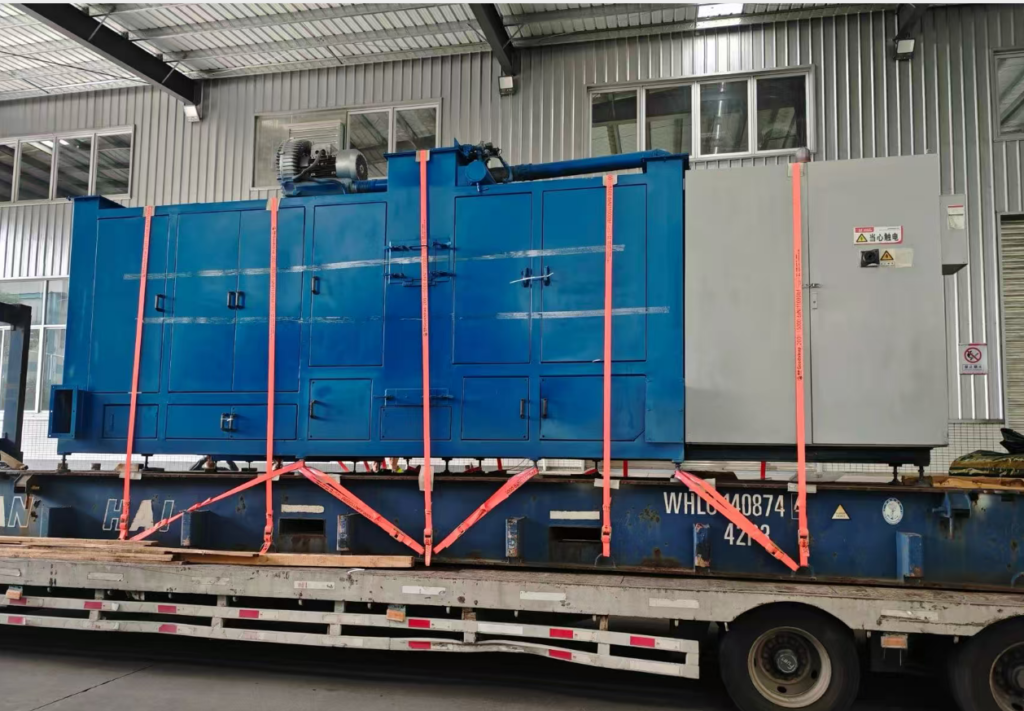
In global logistics, cargo securing is not simply about restraining loads; it is about managing transport risk and protecting cargo integrity throughout the supply chain. Improper load restraint remains one of the leading causes of cargo damage, transport incidents, and insurance claims. As cargo moves across road, rail, and sea, securing systems must withstand dynamic forces such as vibration, acceleration, and sudden braking. Polyester woven lashing belts have become a widely adopted solution for addressing these challenges. They combine high tensile strength with controlled elasticity to support safe, repeatable, and compliant cargo securing operations.
1. The Role of Cargo Securing in Modern Transport
Cargo today is exposed to increasingly complex transport conditions, including longer routes and multiple handling points. Each stage of transportation introduces forces that can compromise load stability if not properly managed. Effective cargo securing plays a critical role in preventing load shift, structural damage, and safety incidents. Beyond protecting goods, proper securing also safeguards personnel and transport equipment. As a result, professional load restraint systems are a fundamental requirement in modern logistics operations.
2. What Are Polyester Woven Lashing Belts?
Polyester woven lashing belts are high-performance load restraint straps manufactured from tightly woven polyester fibres. They are designed to secure cargo by maintaining consistent tension throughout transport. Unlike rigid securing materials, these belts offer controlled elongation that adapts to dynamic transport forces. Their lightweight and flexible nature allows for efficient handling and installation. This makes them suitable for a wide range of cargo types and transport modes.
2.1 Material Properties and Engineering Design
The woven polyester structure provides an optimal balance between strength and flexibility. High-quality polyester fibres deliver excellent tensile performance while resisting splitting or sudden failure. Controlled elongation allows the belt to absorb shocks without losing tension. This design helps distribute securing forces evenly across the load. As a result, cargo remains stable even under challenging transport conditions.
3. Why Polyester Woven Lashing Belts Are Preferred Over Traditional Methods
Traditional cargo securing methods such as steel strapping or wooden bracing can be effective but often introduce safety and efficiency challenges. Steel strapping, for example, is heavy, difficult to handle, and poses risks due to sharp edges and recoil. Wooden bracing increases material costs and disposal requirements. Polyester woven lashing belts offer a safer and more flexible alternative. They improve operational efficiency while reducing risks associated with handling and cargo damage.
3.1 Comparison with Steel Strapping
Steel strapping provides high static strength but lacks flexibility under dynamic loads. It is prone to corrosion in humid or marine environments, which can reduce long-term reliability. Handling steel strapping also increases the risk of injury during installation and removal. Polyester woven lashing belts eliminate corrosion concerns and significantly improve handling safety. They also protect cargo surfaces from abrasion and impact damage.
3.2 Comparison with Other Synthetic Straps
Some synthetic strapping materials offer strength but limited elasticity. Without sufficient shock absorption, these materials may lose tension during transport. Polyester woven lashing belts maintain consistent load restraint by adapting to movement and vibration. They also demonstrate good resistance to moisture and UV exposure. This makes them more reliable for long-distance and export shipments.
4. Key Performance Benefits of Polyester Woven Lashing Belts
Polyester woven lashing belts are engineered to perform under demanding transport conditions. Their design supports both cargo protection and operational efficiency. These benefits contribute to their widespread adoption across multiple industries.
4.1 High Tensile Strength and Load Stability
These belts are capable of securing heavy and oversized loads with confidence. High tensile strength ensures that cargo remains firmly restrained throughout the journey. Even when exposed to sudden forces, the belts maintain structural integrity. This reduces the likelihood of load shift or collapse. Improved load stability directly translates into reduced cargo damage.
4.2 Shock Absorption and Vibration Management
Transport vibrations and shocks are unavoidable, particularly in multimodal logistics. Polyester woven lashing belts absorb these forces through controlled elongation. This reduces stress on both the cargo and securing points. By maintaining consistent tension, the belts help prevent progressive loosening during transit. This feature is critical for long-distance transport safety.
4.3 Handling Safety and Operational Efficiency
The lightweight construction of polyester woven lashing belts simplifies manual handling. Operators can apply and remove the belts efficiently with minimal physical strain. The absence of sharp edges reduces the risk of workplace injuries. Faster securing and release processes also improve loading efficiency. This supports safer and more productive operations.
5. Durability and Environmental Performance
Durability is essential for securing systems used repeatedly in demanding environments. Polyester woven lashing belts are designed to perform reliably across a wide range of conditions. Their material properties support long-term use without compromising safety.
5.1 Resistance to Harsh Transport Conditions
Polyester fibres are resistant to moisture, corrosion, and many environmental stress factors. The belts maintain performance in high humidity and marine environments. They also tolerate temperature variations commonly encountered during global transport. This reliability makes them suitable for export and project cargo applications. Consistent performance reduces operational uncertainty.
5.2 Reusability and Sustainability Considerations
Polyester woven lashing belts are designed for multiple use cycles when properly maintained. Reusability reduces dependence on disposable securing materials. Many belts are produced using recyclable materials, supporting sustainability initiatives. Lower material consumption contributes to reduced environmental impact. This aligns cargo securing practices with modern sustainability goals.
6.Typical Applications Across Industries
Polyester woven lashing belts are used across industries where cargo safety and compliance are critical. Their versatility allows them to adapt to different load profiles and transport methods. This makes them an essential component of many cargo securing systems.
1.6.1 H3. Containerise
6.1 Containerised Cargo
Inside shipping containers, load movement is a major cause of transit damage. Polyester woven lashing belts secure cargo against container walls and anchor points. Even tension distribution helps maintain stability during vessel motion. This reduces the risk of internal load collapse. Containerised cargo arrives in better condition as a result.
6.2 Heavy Machinery and Project Cargo
Project cargo often involves high-value equipment with complex shapes. Polyester woven lashing belts adapt easily to irregular geometries. Their strength ensures secure restraint during long-distance transport. Shock absorption protects sensitive components. This makes them suitable for industrial and infrastructure projects.
6.3 Palletised and High-Value Goods
For palletised loads, maintaining alignment and stability is essential. Polyester woven lashing belts provide additional restraint alongside stretch film or edge protection. They prevent cartons from shifting during handling. This is particularly important for fragile or high-value goods. Improved stability reduces damage and claims.
7. Best Practices for Using Polyester Woven Lashing Belts
Correct application is essential to achieving reliable cargo securing performance. Following best practices ensures safety, compliance, and consistent results. Proper selection and maintenance also extend belt service life.
7.1 Selecting the Appropriate Belt
Belt selection should be based on cargo weight, dimensions, and transport conditions. The rated tensile strength must exceed securing requirements. Environmental exposure should also be considered. Selecting the correct belt ensures effective load restraint. This is the foundation of safe cargo securing.
7.2 Correct Tensioning and Installation
Even tension distribution is critical for load stability. Polyester woven lashing belts should be used with compatible buckles or tensioning tools. Over-tensioning should be avoided to prevent cargo or belt damage. Final checks confirm secure installation. Proper tensioning supports consistent performance throughout transit.
7.3 Inspection and Storage
Belts should be inspected regularly for wear or fibre damage. Contaminants such as dirt or chemicals should be removed after use. Damaged belts must be replaced immediately. Storage in a dry, shaded environment is recommended. These practices maintain belt reliability and safety.
8. Conclusion
Polyester woven lashing belts form a critical component of modern cargo securing systems. Their combination of strength, flexibility, and durability supports safe and compliant transport operations. By reducing cargo movement and handling risks, they help protect goods, people, and equipment. When correctly selected and applied, they deliver consistent and repeatable securing performance. For logistics professionals, polyester woven lashing belts represent a proven solution for managing cargo risk across global transport chains.
Related Posts

Top 5 Common Mistakes in Cargo Securing and How to Avoid Them

Export Packaging Case Study: Using Composite Strapping Efficiently

How to Combine Composite Strapping with Dunnage Airbags
