 Skip to content
Table of Contents
Categories

Jessie
Composite Strapping vs Steel Strapping: Which Is Better for Export Cargo?
Introduction
Importance of Cargo Securing in Export Shipping
In international logistics, cargo securing is a critical factor that directly affects shipment safety, delivery time, and overall cost. Poor strapping choices often lead to cargo damage, claims, and customer dissatisfaction.
Traditional Use of Steel Strapping
Steel strapping has been used for decades due to its high tensile strength and availability. Many exporters still rely on steel straps out of habit rather than performance evaluation.
Rise of Composite Strapping Solutions
In recent years, composite strapping has rapidly gained popularity as a safer and more efficient alternative, especially for export cargo and containerized shipments.
Understanding Composite Strapping
Material Characteristics
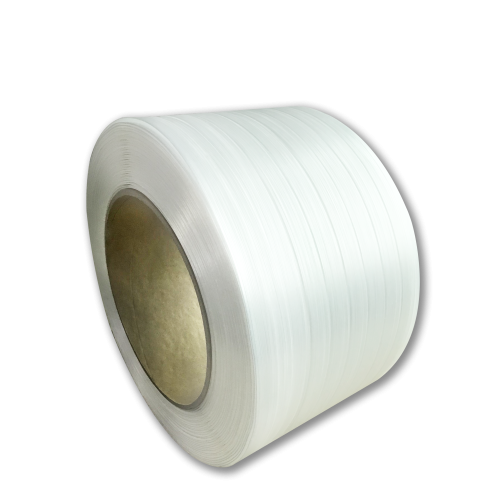
Composite strapping is manufactured from high-tenacity polyester yarns embedded in a polymer coating, creating a strong yet flexible strapping solution.
How Composite Strapping Works
When used with wire buckles, composite straps distribute tension evenly and maintain load stability even under dynamic transport conditions.
Typical Applications
Composite strapping is widely used for pallets, machinery, steel products, timber, and export cargo requiring shock absorption.
Understanding Steel Strapping
Material Characteristics
Steel strapping is made from carbon steel and offers very high breaking strength but minimal elasticity.
Traditional Applications
Steel straps are commonly used in steel mills, heavy coils, and rigid bundling applications.
Limitations in Modern Logistics
In long-distance shipping, steel strapping’s lack of flexibility often becomes a disadvantage rather than a benefit.
Weight and Handling Comparison
Lightweight Advantage of Composite Strapping
Composite strapping is significantly lighter, reducing handling fatigue and improving operational efficiency.
Heavy Nature of Steel Strapping
Steel strapping increases package weight and requires more effort during installation and removal.
Impact on Labor Efficiency
Lighter materials lead to faster packing times and reduced labor costs in export operations.
Safety Considerations
Injury Risks with Steel Strapping
Steel straps can cause cuts, puncture wounds, and dangerous recoil when cut under tension.
Safe Handling of Composite Strapping
Composite straps have no sharp edges and pose minimal injury risk during installation or removal.
Workplace Safety Improvements
Using composite strapping significantly reduces workplace accidents and insurance claims.
Corrosion and Environmental Resistance
Rust Issues with Steel Strapping
Steel strapping is prone to rust, especially in humid or marine environments.
Corrosion-Free Composite Strapping
Composite strapping does not rust and maintains performance even during long sea voyages.
Impact on Cargo Quality
Rust from steel straps can stain or damage valuable cargo surfaces, leading to customer complaints.
Performance During Transportation
Shock Absorption Capabilities
Composite strapping absorbs road vibrations, container movement, and vessel motion during transit.
Dynamic Load Stability
Elastic recovery allows composite straps to maintain tension even when cargo shifts slightly.
Failure Risks with Steel Strapping
Steel straps may loosen, snap, or permanently deform under dynamic transport conditions.
Cost Analysis: Initial vs Long-Term Costs
Initial Material Cost Comparison
Steel strapping may appear cheaper per meter at first glance.
Hidden Operational Costs
Steel strapping often requires more labor, protective equipment, and replacement due to corrosion.
Long-Term Cost Efficiency
Composite strapping reduces total packaging cost through efficiency and damage prevention.
Installation and Tooling Requirements
Tools for Composite Strapping
Composite strapping systems require lightweight tensioners and simple tools.
Tools for Steel Strapping
Steel strapping requires heavy-duty tensioners, sealers, and cutters.
Training and Maintenance
Composite strapping systems are easier to learn, reducing training time and maintenance costs.
Environmental and Sustainability Factors
Material Waste Considerations
Steel straps often cannot be reused once cut.
Recycling and Disposal
Composite strapping produces less hazardous waste and is easier to dispose of safely.
Sustainable Packaging Trends
Many exporters are switching to composite strapping to align with sustainability goals.
Industry Use Cases and Applications
Export and Container Shipping
Composite strapping is widely used for containerized export cargo due to its flexibility.
Machinery and Equipment Transport
Shock absorption protects high-value machinery during long-distance transport.
Steel and Construction Materials
Composite strapping prevents surface damage while maintaining secure bundling.
Compliance and International Standards
Shipping Safety Regulations
Many international shipping standards emphasize safe handling and reduced injury risk..
Acceptance by Logistics Companies
Composite strapping is increasingly accepted by freight forwarders and shipping lines.
Insurance Considerations
Proper cargo securing using composite strapping may reduce insurance claims.
Final Verdict: Which Should You Choose?
When Composite Strapping Is the Better Choice
For export cargo, containers, and long-distance transport, composite strapping offers superior safety and performance.
When Steel Strapping May Still Be Used
Steel strapping may still be suitable for extremely rigid or short-distance applications.
Recommended Solution for Exporters
For most exporters, composite strapping provides the best balance of strength, safety, and cost efficiency.
Conclusion
Composite strapping has proven to be a reliable and modern alternative to traditional steel strapping. Its flexibility, safety, corrosion resistance, and cost efficiency make it especially suitable for export cargo and container shipping.
Related Posts

Top 5 Common Mistakes in Cargo Securing and How to Avoid Them

Export Packaging Case Study: Using Composite Strapping Efficiently
